
The short answer
When sourcing wholesale waterproof golf bags, compare pencil and stand formats using the intended equipment set, accessory contents and carrying pattern. Review each loaded bag's access, handling and setup on the selected sample. The product names do not establish a comparative weight, stability result or protection rating. A useful selection matrix states which buyer need each format covers, which differences are intentional and which hardware or packing details still need confirmation.
Give each format a distinct role in the range
Two golf-bag formats do not earn their place in a wholesale assortment merely because one looks more compact. The buyer needs a reason to stock, describe and replenish each model. Start by defining the equipment set and accessory contents for the intended customer, then describe the carrying and access pattern the format is supposed to support.
A pencil-format reference may be considered for a more compact equipment brief, while another stand-bag reference may be considered for a different organisation or access requirement. These are selection questions, not proof of capacity or handling performance. Confirm the actual configuration before using a format name to make a retail claim.
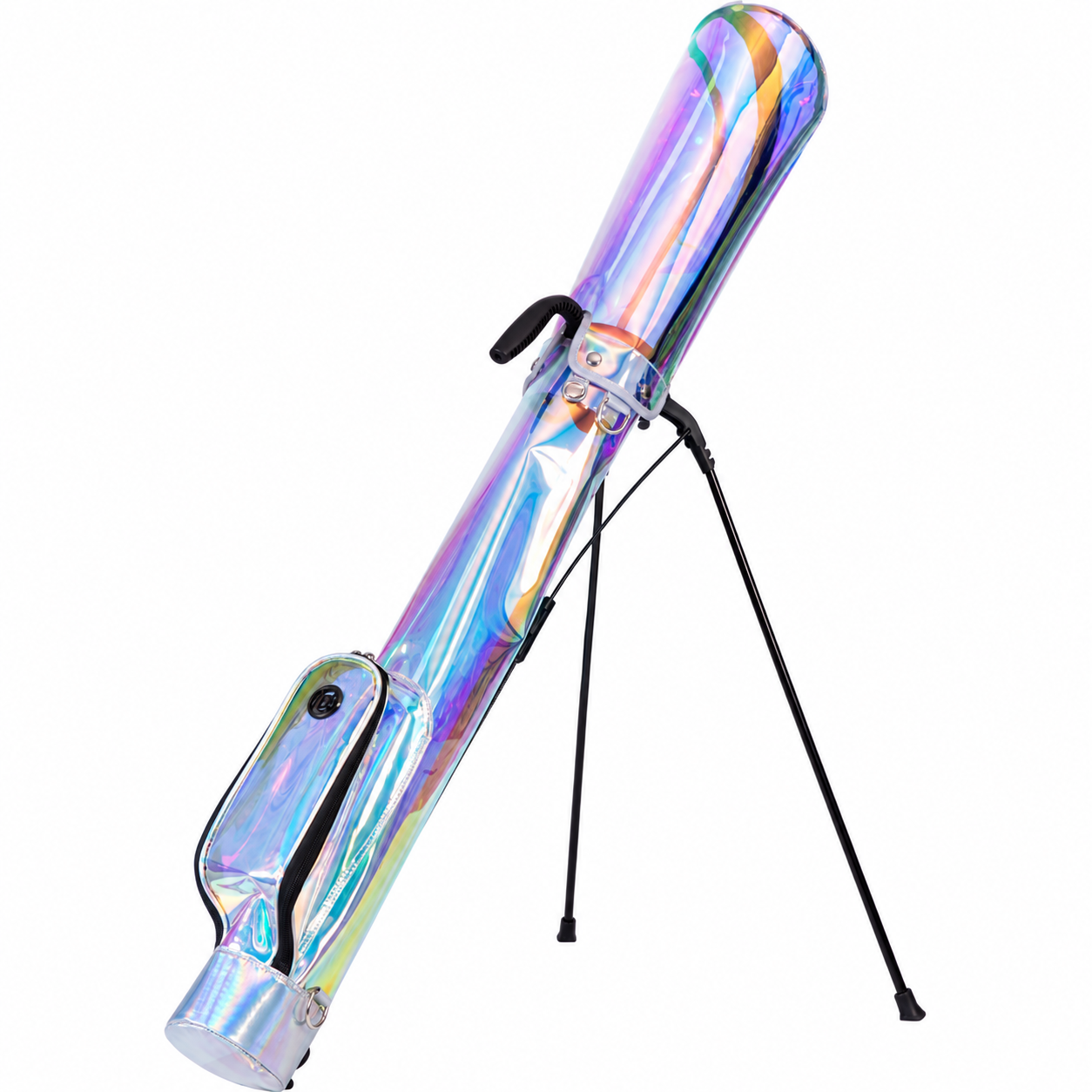
Compare the pencil stand-bag reference with the QB063 stand-bag reference in the golf-bag collection. Keep the model names attached to the comparison so photographs and quotation lines cannot be confused.
Build the comparison around tasks and contents
Use the same headings for both formats while allowing different intended equipment sets. A fair comparison identifies which differences come from the body format and which come from a different material, pocket arrangement or supplied accessory. Otherwise a buyer may attribute a result to the format when several specification choices changed together.
| Decision | Pencil-format review | Stand-format review | Record to retain |
|---|---|---|---|
| Equipment set | Identify the proposed set and envelope | Identify the proposed set and envelope | Contents list tied to each sample |
| Carrying task | Review the selected loaded arrangement | Review the selected loaded arrangement | Handle and strap observations |
| Setup and access | Operate the supplied configuration | Operate the supplied configuration | Position and access photographs |
| Range role | State the intended customer need | State the intended customer need | One clear product-role statement per SKU |
Do not fill a comparison cell with a favourable adjective alone. Replace “easy to carry” with the actual carrying task and the observation that supports the buyer's decision.
Review handles, straps and setup components together
Ask the supplier to identify the hardware and components included in each quoted configuration. Review how handles and straps sit relative to the loaded body and whether the selected equipment affects access. A component shown on a reference photo should still be identified in the supplied-set description.
For a configuration with standing components, ask for the intended setup and folding instructions and review the completed sample accordingly. Record the review surface and orientation so later photographs are comparable. A visual impression of a deployed stand is not a general stability result across different surfaces, contents or configurations. Keep any required evaluation and acceptance criteria explicit.
Measure the complete supplied unit when weight matters, and record whether straps, covers or other accessories are included. If two quoted values use different sets of components, present them as different measurement conditions rather than using the smaller figure as a format advantage.
Separate visual coordination from specification commonality
A coordinated wholesale range can share colors, graphics and labels while using different artwork dimensions or component choices. Prepare a model-by-model decoration map. Check whether a logo crosses a pocket, appears near a carrying component or changes visibility when the bag is loaded. Approval of one format should not silently approve placement on the other.
Also identify the packed unit for each model. Differences in the body or supplied hardware can affect folding, protection during shipment and carton planning. Ask for actual packed dimensions and quantities rather than assuming that the smaller-looking bag creates the smaller shipment. Keep common packaging elements and model-specific inserts as separate lines in the brief.
Illustrative assortment: two needs, one brand presentation
Consider a hypothetical pro-shop buyer developing a coordinated range. The first product role is a compact carry option for a named equipment set. The second is a stand-bag option with a different accessory allocation. The buyer requests samples in a shared visual direction but records the contents and carrying tasks separately.
The comparison worksheet includes access photographs, supplied hardware, artwork placement and packing for each model. A decision to offer both formats is supported by the two customer roles, not a claimed weight advantage or an assumed shared waterproof rating. If the compact option does not meet the proposed equipment brief, the buyer revises the contents or specification before creating a product description.
Release a range decision that purchasing can maintain
For each selected SKU, retain the model reference, intended equipment set, accepted visual direction and supplied configuration. State the differences the sales team should explain and the components purchasing must keep consistent. List unresolved points separately so a commercial launch date does not become an accidental technical approval.
The wholesale outdoor-retailer guide supports broader assortment and enquiry planning. Add this format-selection matrix to the sample approval record for the particular golf-bag models. On reorders, compare requested changes against each product's role; a substitute component or pocket layout may affect one format differently from the other.
Discuss the selected model and purchasing brief
Send the model references, quantity split and the decision record described in this guide. Add your artwork, packing requirements, destination and required delivery date.
Request a project quotationEmail michael@outdoorsbloom.com or denggaoz@gmail.com.