
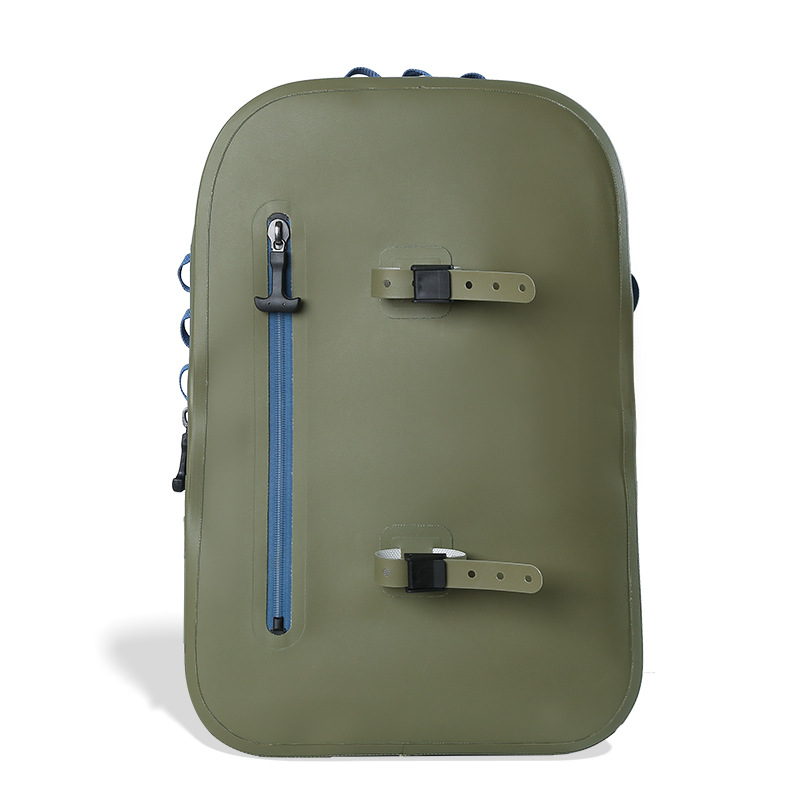
The purchasing decision
A waterproof bag inspection checklist should follow the approved model rather than a generic demand for high quality. Start with the drawing, sample revision and included accessories. Identify the features that affect function, the cosmetic details that matter to the brand and the dimensions needed for fit.
Group checks into appearance, measurements, closure operation, carry attachments and packing. Define how each result is recorded and which defects require action. For functional water-related checks, specify the closure procedure and conditions agreed with the supplier. Do not treat a material swatch or a single promotional photograph as a test of the finished bag.
Connect inspection to batch identification and change control. Record which configuration was inspected, how units were selected and how failures are handled. If a material or component changes, review the checklist for any affected requirement. The purpose is a repeatable acceptance process that both buyer and factory can apply to the same product.
What to compare before ordering
| Decision | Review with the supplier | Purpose |
|---|---|---|
| Reference | Drawing, sample and accessory list. | Use the current approved revision. |
| Inspection groups | Appearance, fit, function and packing. | Apply defined acceptance criteria. |
| Batch record | Selection, results and corrective action. | Maintain traceability. |
Include these details in your enquiry
- Approved specification and sample revision
- Measurement and visual acceptance criteria
- Functional evaluation and sampling plan
- Defect records and corrective-action process
Identify the model and the version of any drawing or artwork. Ask for assumptions, proposed changes, packing details and commercial terms to be shown in the quotation. MOQ, sample cost and production timing are confirmed for the agreed configuration.
Buyer questions
Can one checklist cover every bag?
A common structure is useful, but closures, harnesses, liners and compartments need model-specific checks.
What is the difference between visual and functional inspection?
Visual inspection records appearance and construction. Functional inspection evaluates the specified operation or performance under defined conditions.
NEXT STEP
Turn the brief into a sample review.
Choose a product reference, mark the changes you need and send your expected quantities and destination market. Our Dongguan team can review the manufacturing options with you.
Discuss this project