
The short answer
Confirm the exact valve configuration and its supplier-proposed handling before reviewing its position. Photograph the unloaded, packed and positioned bag with nearby straps and equipment visible. Record what must move to perform the agreed operation and distinguish a route revision from a valve relocation. Keep access observations separate from any required air-retention or water-exposure evidence, and release the component identity, position and handling with the bag revision.
Confirm the selected valve configuration and its intended function
When discussing a valve-equipped bag with a waterproof motorcycle luggage manufacturer, begin by identifying the exact valve and the operation proposed for that model. A visible fitting in a photograph does not establish its function, care routine, air-retention result or the performance of the complete bag.
Ask for the selected valve component to be identified in the product brief, together with the proposed operating instructions and its position on the body. Keep that configuration linked to the bag revision so a later relocation or component change can be reviewed explicitly.
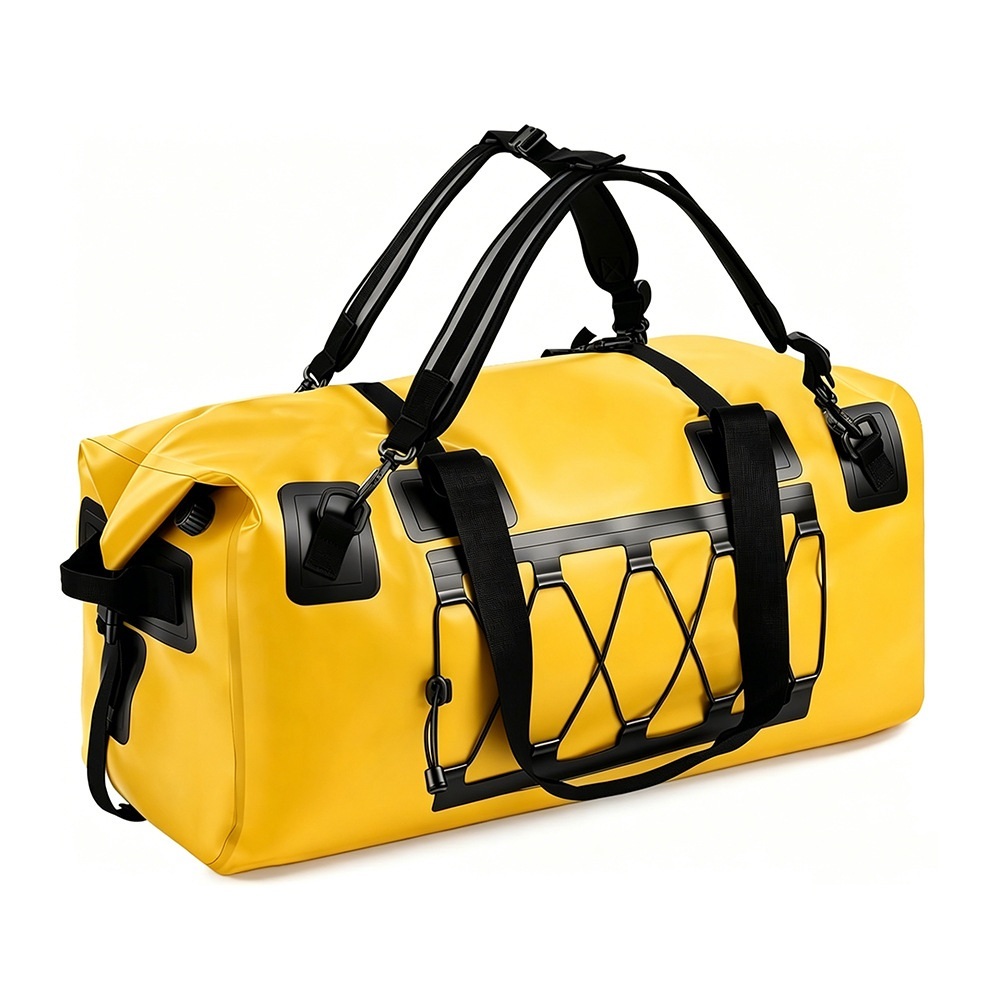
The bungee-front tail-bag reference and convertible duffel reference provide directions for discussion. Confirm which selected configuration includes a valve before using it in the sample plan.
Review access after packing and positioning the bag
Define the intended packed contents and the proposed mounting or resting position. Then identify when the valve needs to be reached in the agreed sequence. Access that is obvious on an empty bag may need another view once the body is packed and surrounding components are in place.
Photograph the valve area with the intended straps, handles and adjacent luggage shown. Mark which parts may move during the operation and which are intended to remain in position. Ask for the proposed handling to be demonstrated on the selected sample rather than inventing an operation from the shape of the fitting.
Keep any required evaluation of leakage, air retention or water exposure separate from this access review. Reachability and operation order answer different questions from a documented performance result.
If the selected fitting includes a cap or another part handled during operation, show its position in the agreed sequence. Ask which parts remain attached and which are separately supplied. The photo brief should explain the actual component set without adding a generic cap, tether or tool taken from a different valve design.
Plan a view sequence with one question per view
| View or stage | Record | Question to resolve |
|---|---|---|
| Unloaded reference | Valve identity, position and surrounding construction. | Which component and body revision are being reviewed? |
| Packed body | Contents identity and the valve area's resulting outline. | Is the proposed operating area still accessible? |
| Positioned bag | Mounting or resting reference with nearby straps and equipment. | What must move before the agreed operation can be performed? |
| Closing sequence | The supplier-confirmed order for the main closure and selected valve. | Does the user sequence remain understandable with the bag in position? |
| Ready-for-storage state | Component condition and handling specified for this configuration. | Do the care instructions match the supplied set? |
Resolve access conflicts without hiding construction changes
If a proposed strap route covers the operating area, record the conflict on the photograph. Ask whether the route can be revised within the intended installation brief or whether a different valve location is being proposed. These are different changes and should not be merged into a general approval comment.
A valve relocation needs a revised product drawing and an appropriate review of the affected construction. A route revision needs its own installation and access record. In both cases, state which earlier observations must be repeated and which remain applicable to the unchanged parts of the bag.
The sample approval process provides a framework for keeping those revisions traceable. The access record adds the packed and positioned views required for this particular component.
Illustrative access review: a strap crosses the proposed operating area
A buyer proposes a valve-equipped luggage configuration and a mounting route that passes close to the valve area. This is an illustrative review problem, not a test result or a mounting recommendation for an existing product.
The buyer and supplier first identify the selected valve and its proposed handling sequence. The packed-position photograph is then annotated to show the crossing strap and any neighboring equipment. Two possible revisions are discussed: review a different route, or investigate a different component position as a development change.
The selected proposal is documented with its affected drawing and sample observations. The buyer does not accept a hidden relocation based only on an unchanged front product photograph. Nor does a successful access demonstration become an assertion about airtightness or immersion performance.
Keep the earlier view sequence for comparison, marking it superseded where appropriate. The revised photographs should make the changed position or route visible rather than requiring the reviewer to guess which detail moved.
Keep operation, position and evidence together
Send the selected direction from the waterproof motorcycle bag collection, packed contents, position photographs, component identity and required access sequence. Ask the supplier to identify the instructions and sample scope for that exact configuration.
The handoff should record bag revision, valve reference, accepted position and handling, affected strap routes and unresolved evaluation questions. Include the view sequence with the approval record. This gives custom waterproof motorcycle bags a specific component-access brief while keeping performance claims tied to the evidence needed for the complete product.
Discuss the selected model and purchasing brief
Send the model references, quantity split and the decision record described in this guide. Add your artwork, packing requirements, destination and required delivery date.
Request a project quotationEmail michael@outdoorsbloom.com or denggaoz@gmail.com.