
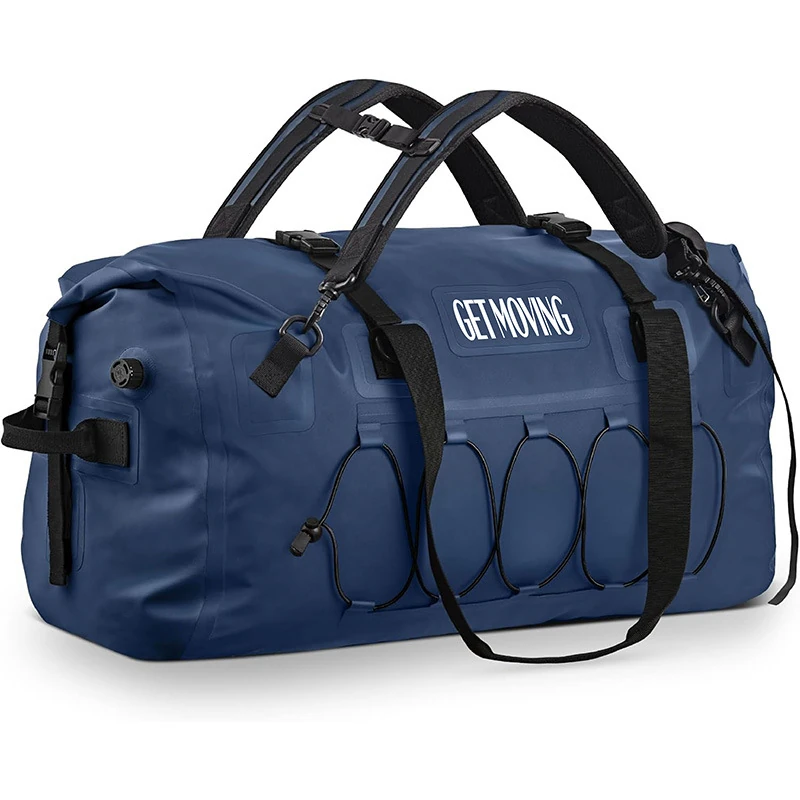
The short answer
Create a row for each proposed model-capacity-color configuration and identify which decisions are shared across the program. Keep dimensions, attachment positions, artwork placement and packing specific to each variant where required. State which samples or proofs cover each decision and confirm the quoted quantity split. A change log should show whether a revision affects the whole range or selected rows, preserving clear supplied configurations for reorders.
Give each capacity variant its own configuration identity
An OEM waterproof motorcycle bags program may share a visual identity across several capacity directions, but the specification still needs to identify each variant. Body dimensions, opening geometry, attachment positions and packed appearance should not disappear behind a common family name.
Start with one row per proposed model and capacity configuration. Record the reference, finished dimensions to be confirmed, intended contents and quantity split. Keep the advertised capacity description separate from the dimensional and packed-load evidence needed for approval.
The multi-capacity gear duffel reference and travel-bag reference can help identify directions for discussion. Confirm the selected construction and capacity-specific configuration in the quotation.
Separate shared decisions from variant-specific decisions
List which parts of the program are intended to remain common: brand artwork, a proposed color direction, instruction design or a selected hardware reference. Then list the decisions that need review for each variant, such as placement dimensions, webbing lengths, body outline and unit pack.
A shared component description should refer to the same approved item rather than a general word such as “buckle.” If a variant needs another component, give it its own identifier. This allows a supplier and buyer to discuss consistency without pretending every physical detail can be copied across the range.
Keep the common artwork file separate from its model-specific placement drawings. A logo can share a design while using different dimensions or positions around pockets, handles and closing folds.
Give the matrix a status for each proposed common item: requested as common, confirmed as common, or still unresolved. A buyer's intention to standardize is not yet a supplier-confirmed component decision. Record the actual reference when it is agreed and show any exceptions beside the affected variant, so the program does not depend on a note that everyone interprets differently.
Build a model-capacity-color matrix
| Program field | Common record | Variant record |
|---|---|---|
| Branding | Master artwork revision and color reference. | Placement drawing and approved dimensions for that body. |
| Construction | Any material or component deliberately shared. | Finished dimensions, opening allowance and unique components. |
| Carry and attachment | Component identifiers proposed for common use. | Positions, lengths, routes and installation-review reference. |
| Quantity | Total program quantity for planning. | Pieces by model, capacity and color, confirmed in the quotation. |
| Packing | Shared label conventions and identification format. | Unit pack, carton arrangement and mixed-carton allocation. |
Make approval coverage explicit
Identify which sample answers which decisions. A color proof may support a shared visual choice, while a packed sample of one variant only shows that variant's geometry. Keep the approval record clear about what can be carried across and what needs an additional observation.
Ask the supplier to identify sample and quotation scope for each proposed variant. Starting order quantities for existing-logo and new OEM projects do not automatically settle every capacity, material or color split. Confirm the actual allocation and any development differences before treating the whole program as one approved configuration.
The MOQ, color and SKU planning guide covers allocation questions. This program matrix adds the shared-versus-unique component decisions that make a motorcycle luggage range manageable after the quantities are agreed.
Illustrative program: three body directions with one brand mark
A buyer proposes three luggage directions labelled Compact, Standard and Extended for internal development. These are illustrative planning names, not claims about available capacities or confirmed specifications. The brand wants a common appearance and clear differences in intended contents.
The program has one master wordmark and color reference, but three placement drawings and three geometry records. The buyer marks which hardware is proposed as common and asks the supplier to identify exceptions. Each variant receives a quantity line and an intended packed-load description.
During review, one direction needs a different attachment position and another needs a different pack outline. Those changes remain on their own rows. The buyer can still preserve the range's visual identity without hiding physical differences that affect sampling, quotation and receiving.
The buyer also separates a common artwork color approval from the three placement approvals. The shared color decision is recorded once, while each row identifies its accepted placement drawing. This avoids requesting three identical color decisions while still preserving the model-level geometry that a single range photograph cannot establish.
Release a range file that can survive a reorder
Send the selected references from the motorcycle luggage collection, completed program matrix, contents descriptions, artwork pack and quantity schedule. Ask the quotation to reference the same variant identifiers and state the proposed shared components.
Keep a change log that identifies whether each revision affects the whole program or selected rows only. Link approved samples, artwork and packing to those rows so a later color addition or quantity rebalance does not silently replace a construction decision. For wholesale waterproof motorcycle bags, this makes the range a set of identifiable supplied configurations rather than one broad product-family description.
Discuss the selected model and purchasing brief
Send the model references, quantity split and the decision record described in this guide. Add your artwork, packing requirements, destination and required delivery date.
Request a project quotationEmail michael@outdoorsbloom.com or denggaoz@gmail.com.