
The short answer
Before receiving bulk insulated cooler bags, identify the complete supplied set and the packing location of each detachable component, if supplied. Match loose parts to the correct model and pack revision, and use the selected configuration's instructions for any receiving assembly. Record completeness separately from assembly and functional evaluation. The handoff is a kit-completeness record identifying complete stock, unresolved components and the owner of each exception, rather than an assumption that carton counts prove every unit is complete.
Define a complete cooler unit before the shipment arrives
For bulk insulated cooler bags, the receiving unit may include more than the bag body. If the selected configuration supplies a removable strap, pad, divider or other loose component, the warehouse needs to know how that component is identified and packed. A carton count alone cannot establish that each retail unit contains the agreed set.
This is a receiving and assembly-control task, not a handle-design review. The buyer should provide an accepted accessory manifest before dispatch. It should distinguish components supplied loose, components already fitted, and items shown only as optional references. The warehouse must not assume that every photographed accessory belongs to the order, or that a separate component is missing because it was not visible when the carton was first opened.
Connect loose components to the model and pack revision
Use one identifier for the complete supplied configuration and identifiable references for its loose parts. State which model, color or pack version each part accompanies. If several cooler versions share an accessory, record that relationship explicitly rather than asking receivers to infer interchangeability from appearance.
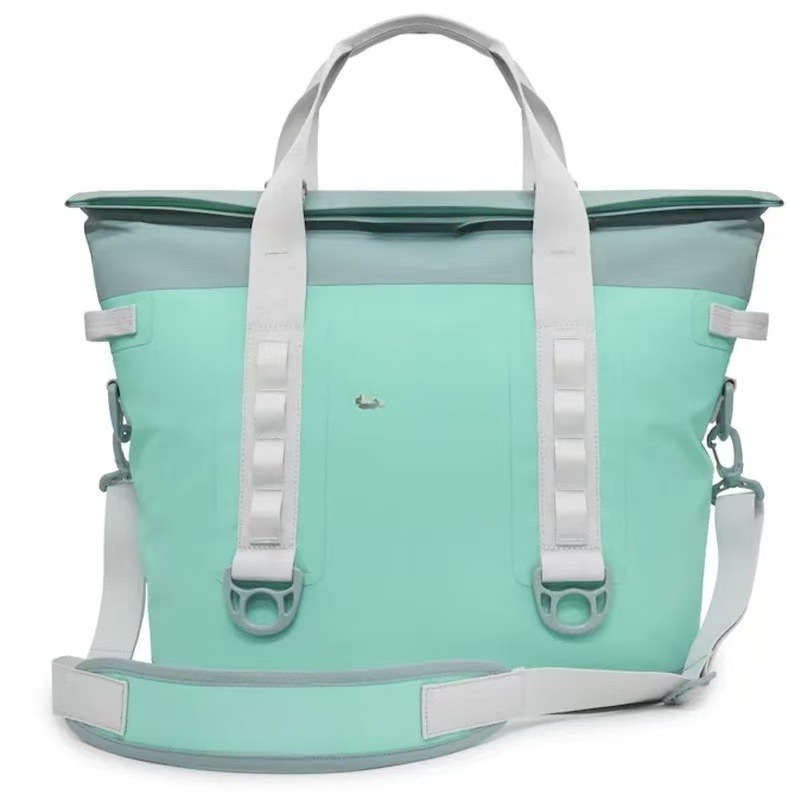
The manifest should show where to look for each item: attached to the body, enclosed in the unit pack, placed inside the bag or packed in a separately identified group, as agreed for that order. Include a photograph or drawing of the accepted arrangement. The YT102 cooler tote and ZY17 picnic tote can be used to discuss a selected configuration; confirm which accessories are actually supplied for your quotation.
Record completeness and assembly status separately
| Receiving line | Reference to use | Observation and decision |
|---|---|---|
| Bag body | Model, color and accepted pack identity. | Record the unit group being checked before separating its components. |
| Loose accessories, if supplied | Accessory manifest and agreed packing location. | Record identity and quantity against the correct cooler configuration. |
| Assembly instructions | Instructions for that model and component revision. | Confirm that receivers have the applicable fitting information. |
| Component matching | Accepted sample views or part references. | Identify differences; do not substitute a similar-looking part without clarification. |
| Completed retail set | Complete packed-unit reference. | Record whether the set is complete, awaiting assembly or held for an exception. |
Agree the receiving-check scope and quantities with the buyer. This table does not prescribe a sampling plan or establish the strength or performance of an assembled carrying component.
Illustrative receiving brief: a cooler order with a removable strap
This hypothetical example describes an order configuration, not a claim that every cooler reference includes the same strap. A buyer selects a removable strap for two color versions. The accepted manifest identifies the strap reference, the versions it accompanies and its location inside each unit pack. The receiving team gets photographs of the complete set before shipment.
During receiving, the team keeps the body, unit-pack identification and loose strap together. If a strap cannot immediately be found, the receiver checks the agreed packing location before recording a shortage. A component that differs from the reference is photographed with its unit identity. The affected set remains identifiable while the buyer and supplier clarify the difference; an apparently similar strap from another model is not used to close the record.
Use the selected model's instructions for any receiving assembly
If assembly is part of the receiving task, identify who performs it and which instructions apply. Record the component and bag revisions being matched. A warehouse check should not invent a new fitting method, force an uncertain connection or treat parts from separate model groups as interchangeable. Where the instructions or component identity are unclear, request clarification before marking the kit complete.
Keep assembly observations separate from product evaluation. Confirming that the documented parts were fitted as instructed is different from validating a carrying load or water-protection requirement. Any required functional evaluation belongs in the agreed sample or inspection scope. The insulated tote order guide covers the wider product brief; this receiving record checks whether the ordered component set has arrived and been handled as defined.
Hand off a kit-completeness record to stock control
The final record should identify the shipment, checked unit group, bag and accessory references, packing version, assembly status and any discrepancy. Add relevant photographs and the owner of the next action. Stock control should be able to distinguish complete units from those awaiting a missing part, an identification answer or an agreed assembly step.
When an exception is resolved, retain the decision and the affected quantity with the original record. Update the next receiving manifest if the agreed packing arrangement changes. Send the selected configuration and proposed accessory list to the cooler bag team during order planning, so the quotation, packed-unit reference and warehouse instructions describe the same supplied set.
Discuss the selected model and purchasing brief
Send the model references, quantity split and the decision record described in this guide. Add your artwork, packing requirements, destination and required delivery date.
Request a project quotationEmail michael@outdoorsbloom.com or denggaoz@gmail.com.